Chapels of Skyros
Saint Athanasios of Alexandria
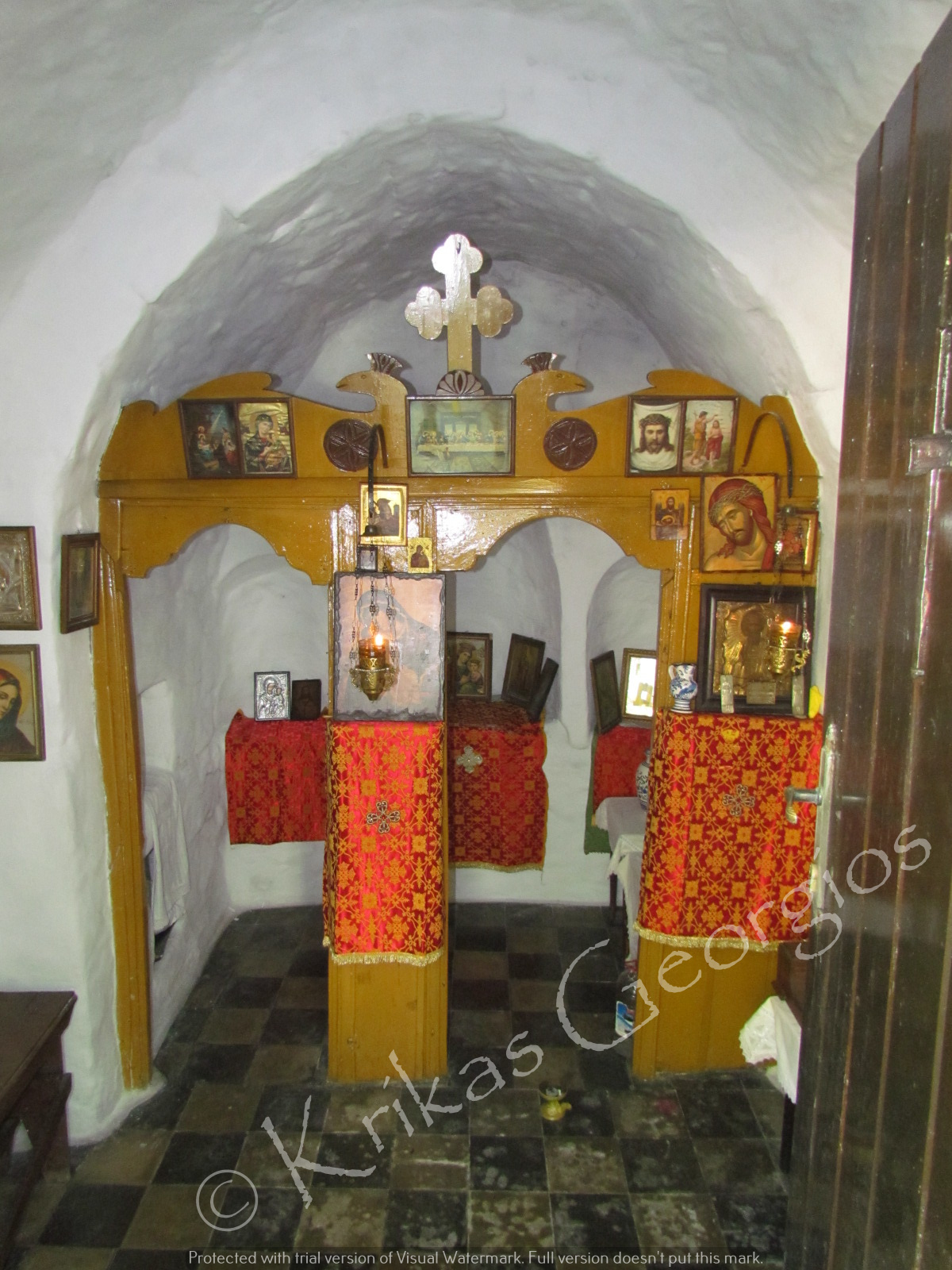
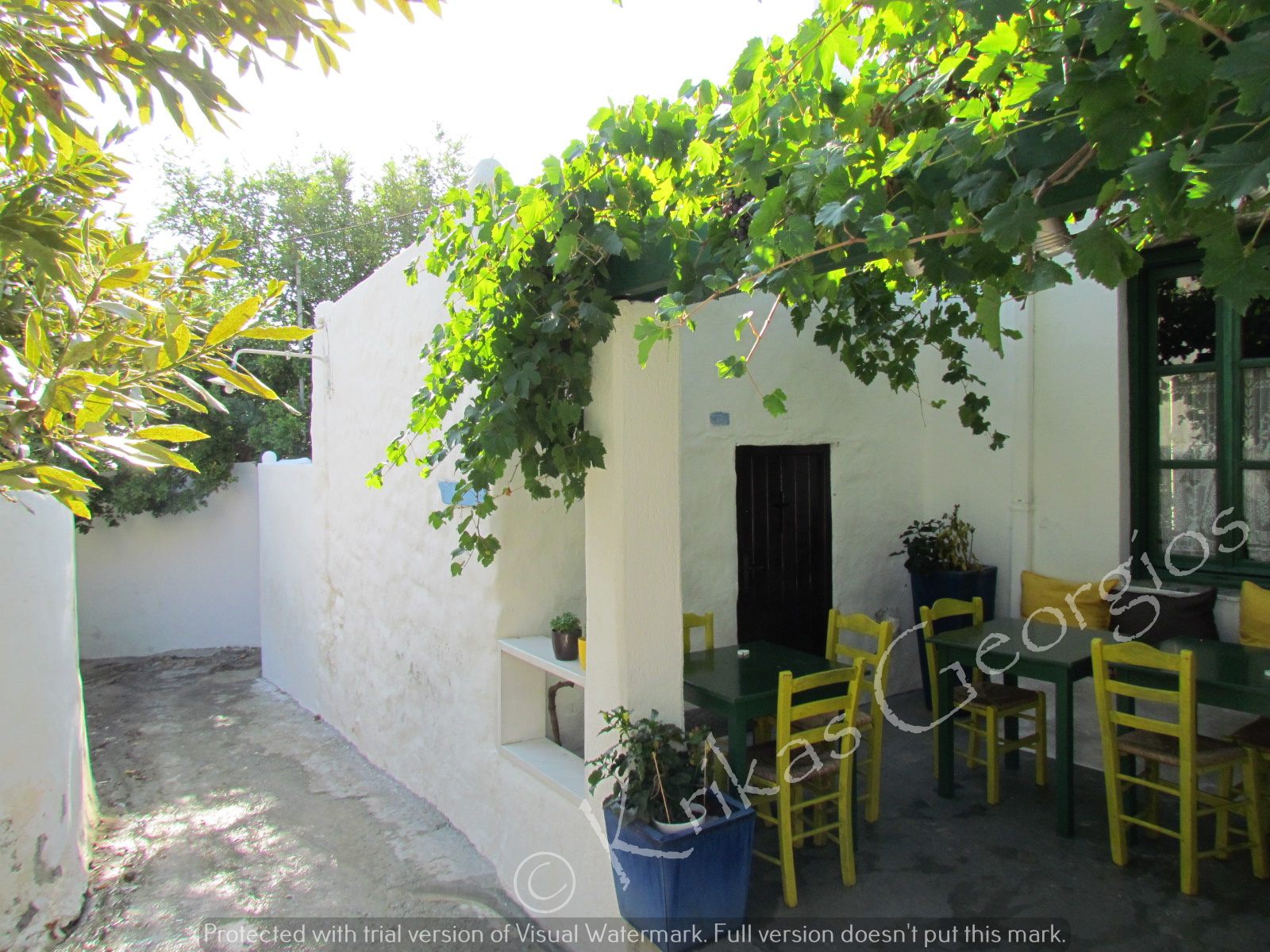
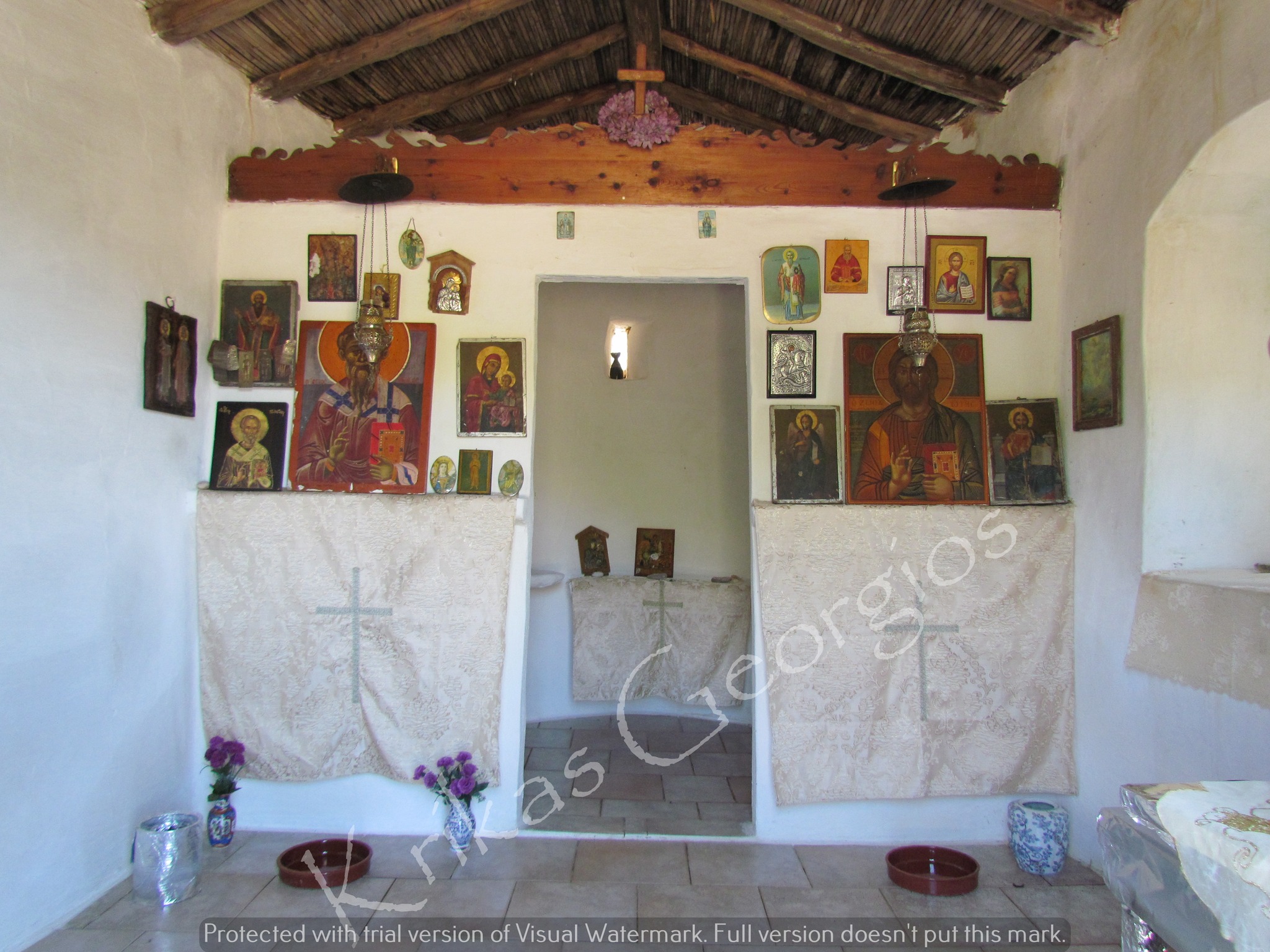
A small chapel located within the Magazia district, tightly nestled in the narrow streets among houses and taverns.
Feast day: January 18
Location: Magazia
(1) Athanasios of Alexandria, also known as Athanasius the Great or Saint Athanasios (c. 298 – May 2, 373), was elected Patriarch of Alexandria at the age of 33. He is one of the four Fathers of the Eastern Church to bear the title “Great,” together with Basil, Photius, and Anthony, and one of the 33 Fathers of the Roman Catholic Church. At the age of 25, he was ordained deacon by Alexander, Bishop of Alexandria, whom he accompanied to the First Ecumenical Council in 325, in Nicaea of Bithynia. There, he emerged as a leading figure in the condemnation of the teachings of Arius, which were declared heretical.
(2) Magazia belonged for centuries to the ruling class. Wine warehouses with enormous ancient barrels, wine and tsipouro presses, and old commercial storage buildings dating back even to the period of Ottoman rule formed a building complex that belonged exclusively to old aristocratic families of the Megali Strata. Today, Magazia is a summer resort.
Athanasios of Alexandria, also known as Athanasius the Great or Saint Athanasios (c. 298 – May 2, 373), was elected Patriarch of Alexandria at the age of 33. He is one of the four Fathers of the Eastern Church to bear the title “Great,” together with Basil, Photius, and Anthony, and one of the 33 Fathers of the Roman Catholic Church. At the age of 25, he was ordained deacon by Alexander, Bishop of Alexandria, whom he accompanied to the First Ecumenical Council in 325, in Nicaea of Bithynia. There, he emerged as a leading figure in the condemnation of the teachings of Arius, which were declared heretical.
Magazia belonged for centuries to the ruling class. Wine warehouses with enormous ancient barrels, wine and tsipouro presses, and old commercial storage buildings dating back even to the period of Ottoman rule formed a building complex that belonged exclusively to old aristocratic families of the Megali Strata. Today, Magazia is a summer resort.
Photos: Georgios Krikas
Text: Georgios Krikas (Translated with AI)
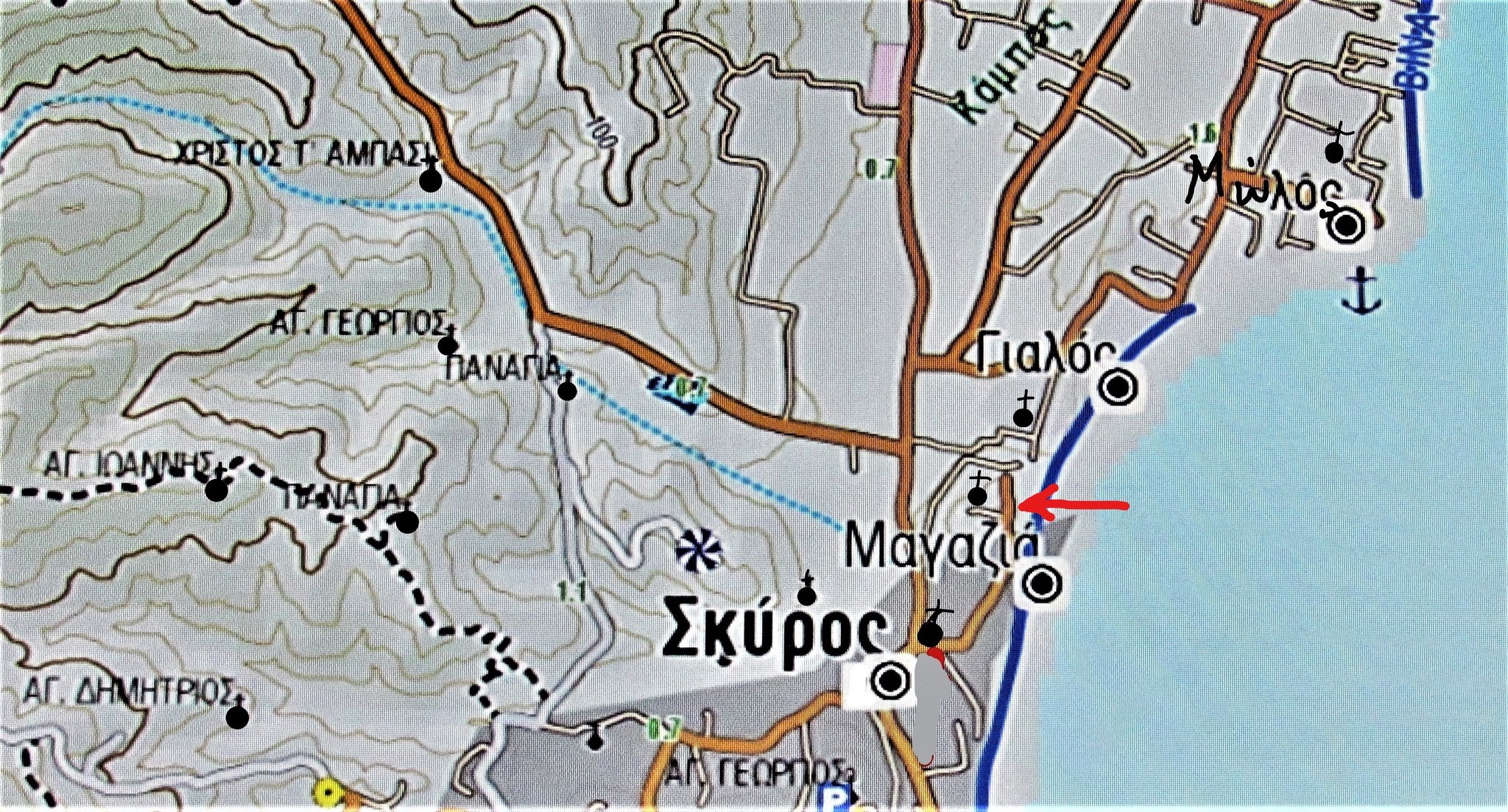
The location of the Church of Saint Athanasios of Alexandria on the map.
Agios Phokas
Location: Agios Phokas Beach
Feast day: September 22
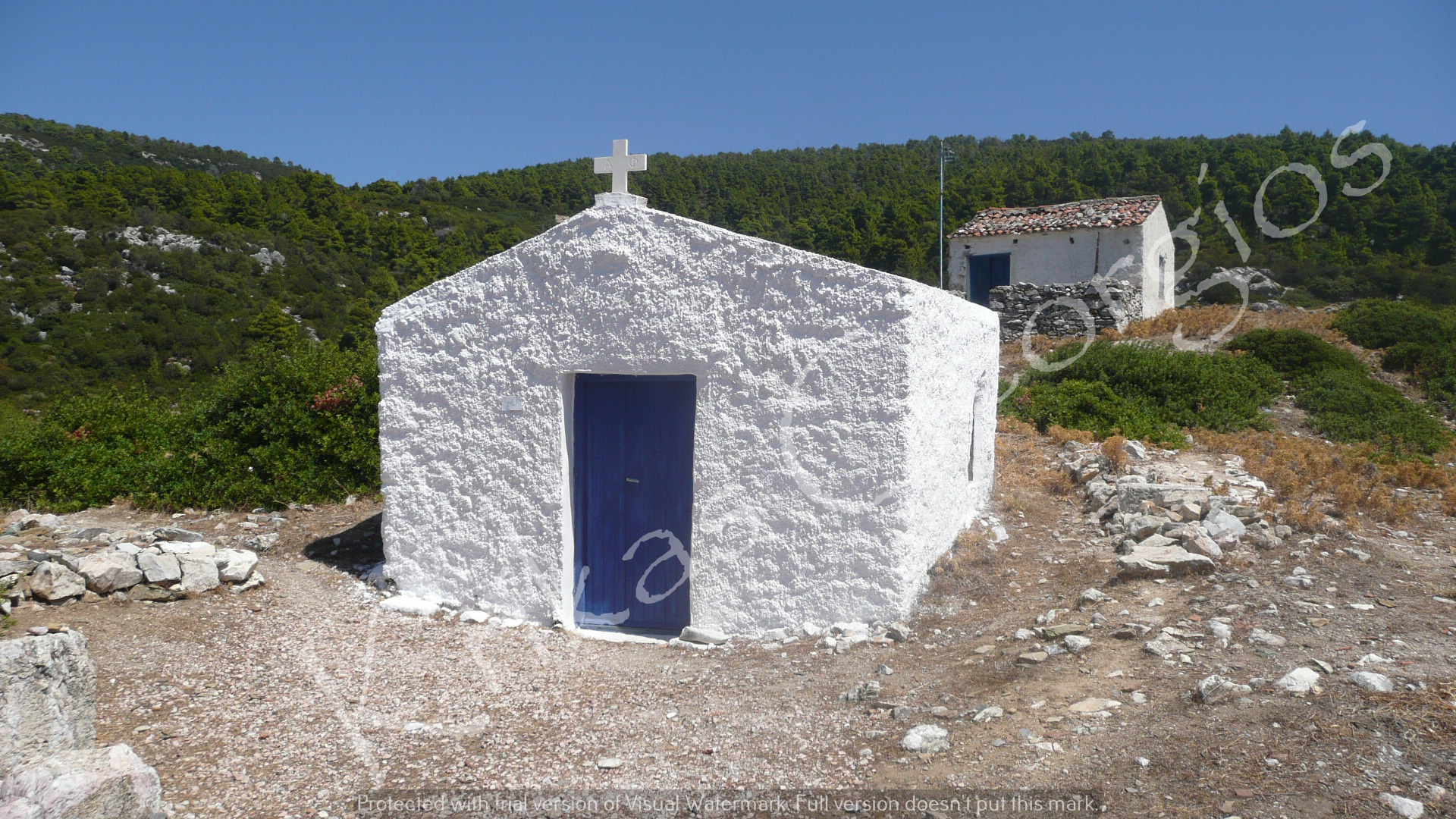
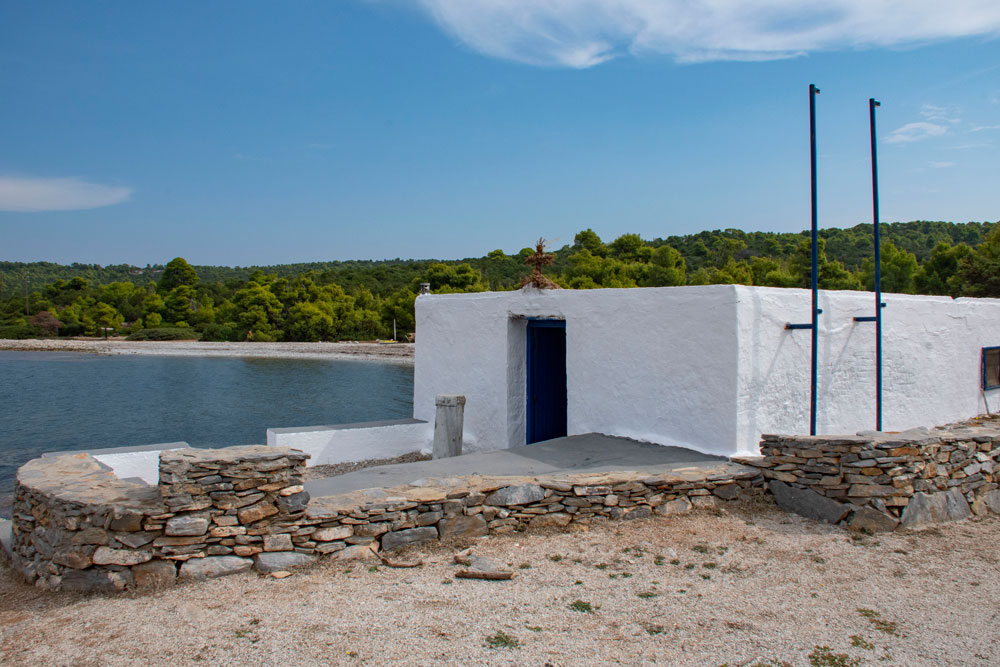
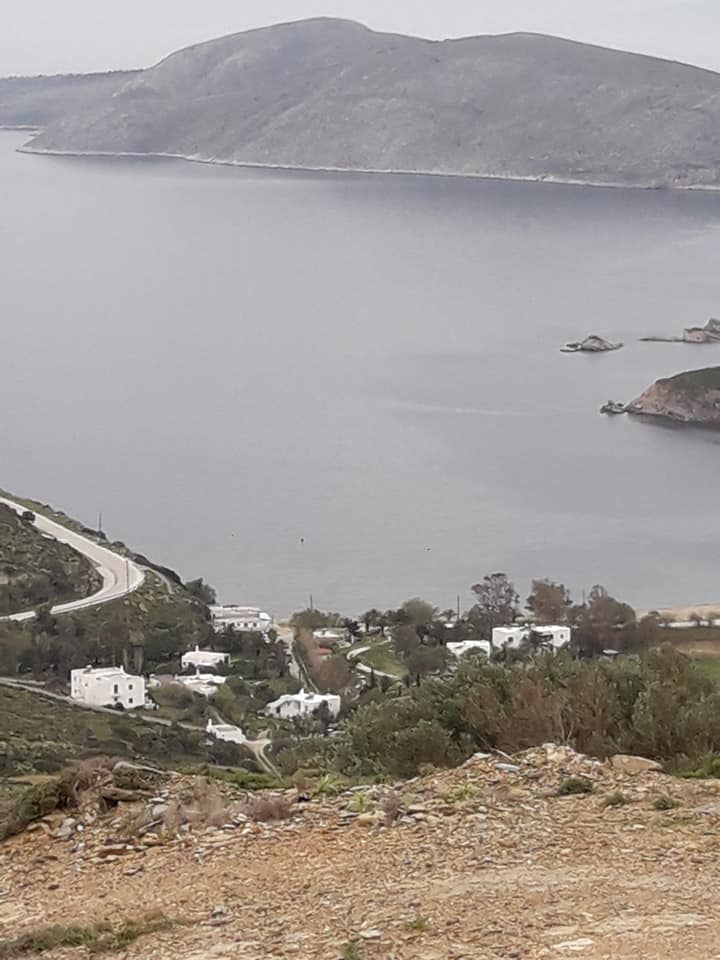
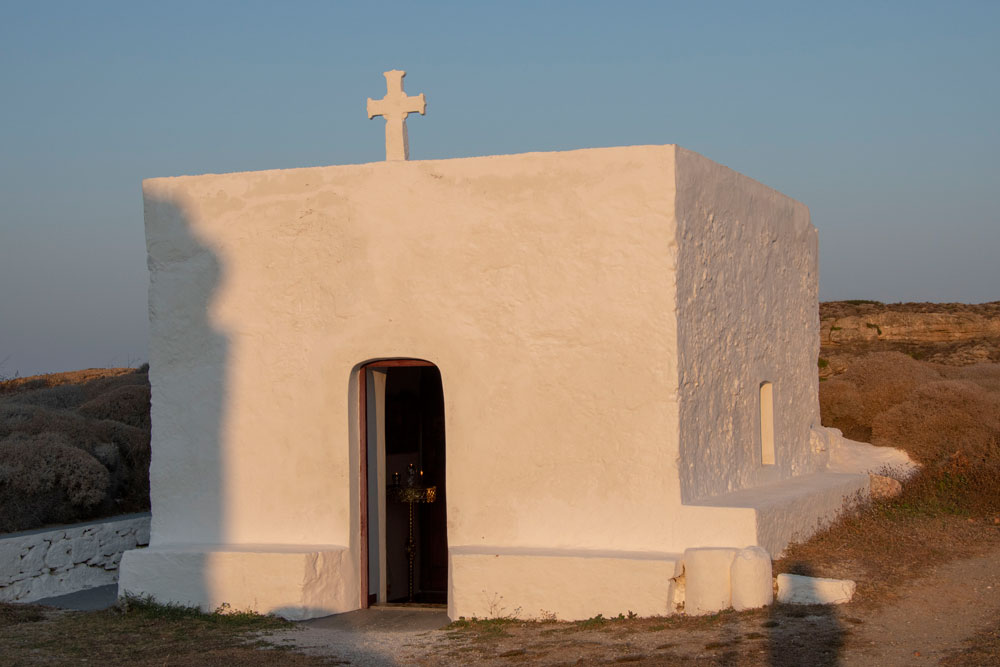
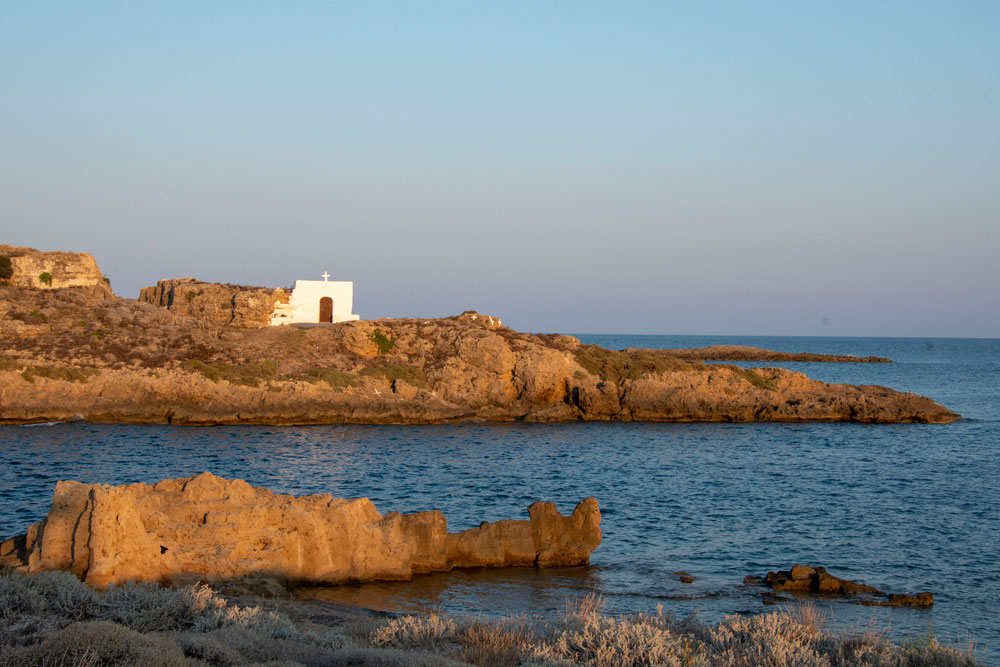
The bay of Agios Phokas is located in the bay of the same name on the western coast of Skyros, at a distance of 23 kilometers from the island’s main town (Chora). Its name comes from the picturesque small chapel situated on a rise at the right end of the beach.
He is a saint whose fame in Rome is said to have been comparable to that of the apostles Peter and Paul, and who is referred to by Saint Gregory of Nazianzus as a “brother” of the Apostle Peter.
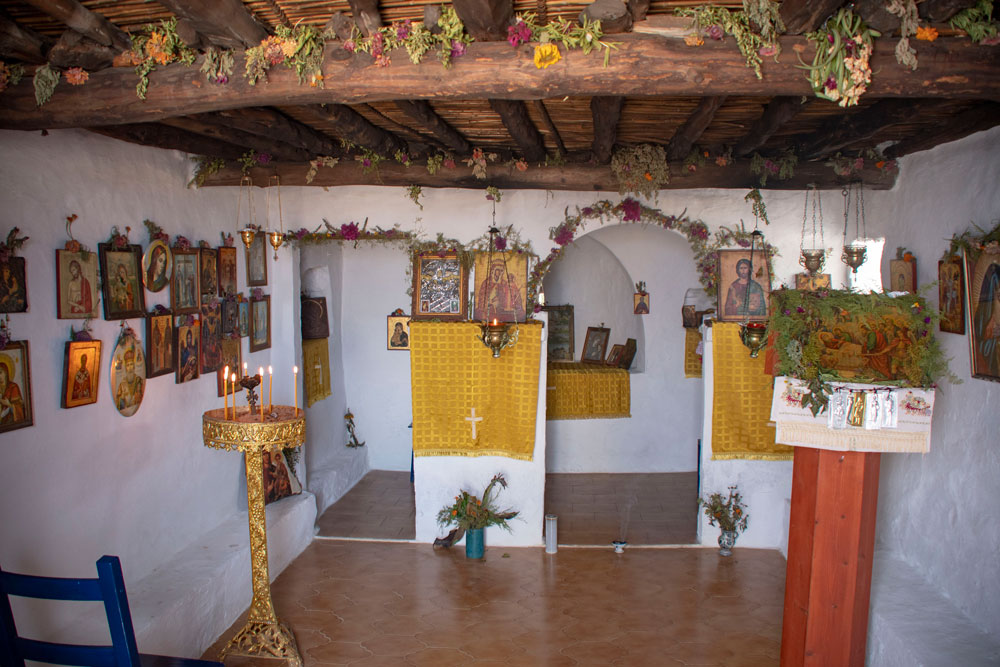
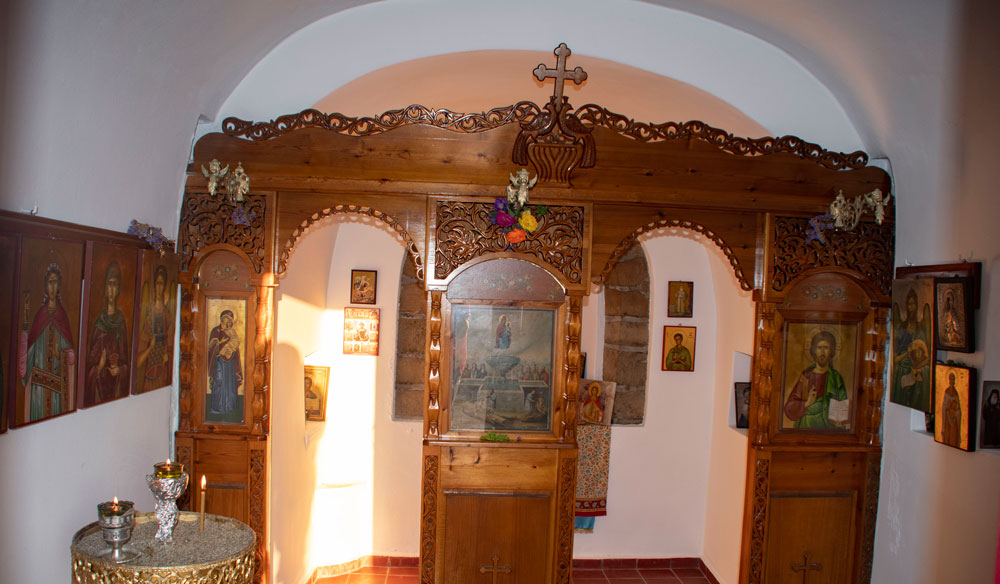
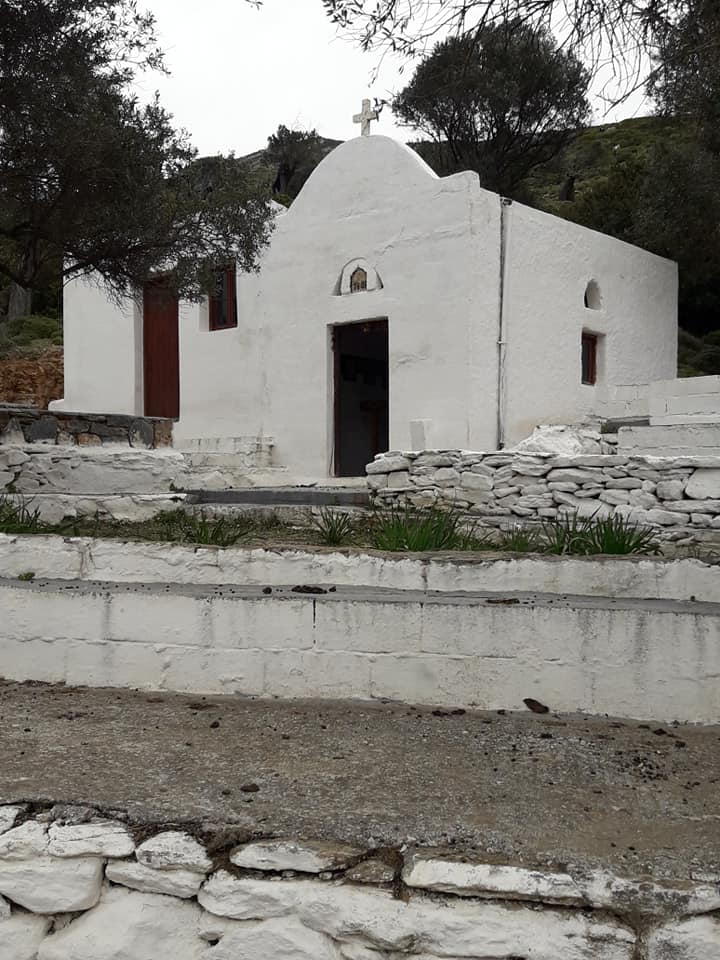
The chapel is built of irregular stone and whitewashed. Inside, it is plastered and whitewashed as well. It has a gabled wooden roof, which on the outside is covered with cement and on the inside with wooden beams and reed matting. The iconostasis is built of masonry, and at its upper part it features a small carved wooden pediment. The southern wall has a large window. The eastern wall is thickened and contains a large apse, which replaces the Holy Altar. The floor and the sanctuary are paved with modern granite tiles, added later than the original church.
In the surrounding area of the church there are large hewn stones, whose presence testifies that several centuries ago there were substantial buildings here.
It is not possible to determine chronologically whether these were old installations of a large Byzantine monastery or an even older place of worship.
Churches of Agios Phokas are found near bays and small inlets.
His veneration does not point to a locally limited protector of seafaring, but to a saint of very broad acceptance.
Throughout the entire first millennium of Christianity, sailors also invoked Saint Phokas as their protector. At times, captains who had fallen asleep at the helm would see him waking them.
At other times he would tighten the ropes, repair the sails, and stand watch from the bow so that their ships would not strike the rocks. Thus arose the numerous chapels and place names in his honor in coastal locations throughout the Aegean.
The veneration of Saint Phokas is initially located in Constantinople and on the southern coasts of the Black Sea.
In Greece, churches of Saint Phokas exist on Skyros, Patmos, Paros, Rhodes, Astypalaia, Tinos, Kos, Ikaria, Monemvasia, and Crete (Elounda). Churches of Saint Phokas also exist in Cyprus and northern Lebanon.
There is a custom related to the saint in the life of sailors.
When sailors gathered to eat, they would place on a plate the portion of Saint Phokas as well, whom they regarded as a fellow diner.
“Not only those who sail across the Black Sea, but those carried over the Aegean and all who sail the ocean” (3)
“It thus became a rule among sailors to have Phokas as a table companion.”
Then, one of the sailors, in turn, would give money and “buy” this “portion.”
“Each day they assign by lot to the martyr a portion of the food, equal to that of the diners. This portion is bought by one of the companions, who deposits the money; the next day another, and at another time someone else” (4).
When the ship reached port, the accumulated sum was given to the poor of the area.
“And this is the portion of Phokas: a benefaction to the poor” (5).
At the Dormition of the Theotokos in Kalabaka, at Saint Athanasios in Geraki of Laconia, and at Saint George Diasoritis in Chalki of Naxos, the saint is depicted holding an oar in one hand.
In the bay of the area called Grammata on Syros, the following prayer was found engraved:
“Lord and Saint Phokas, save the ship Maria.”
References
1. From a purely historical point of view, Saint Phokas lived around the end of the 1st century AD in Sinope. His parents were Pamphylos (a shipbuilder by profession) and Maria. He was martyred during the reign of Trajan because he remained steadfast in his deep Christian faith.
2. Location: Agios Phokas (Ai-Fokas). There are three locations on the island of Skyros:
– the bay between Kochyli and Petra;
– the bay where the chapel of Agios Phokas is located, near the area called Chartsa-Trachy;
– and at all three “Boukες” (small inlets).
3. Asterius of Amasea, Homily IX, On Phokas, Martyr of Sinope (4th or early 5th century).
4. Asterius of Amasea, Homily IX, On Phokas, Martyr of Sinope (4th or early 5th century).
5. Asterius of Amasea, Homily IX, On Phokas, Martyr of Sinope (4th or early 5th century).
Photos: Georgios Krikas
Text: Georgios Krikas (Translated)
Kura Panagia
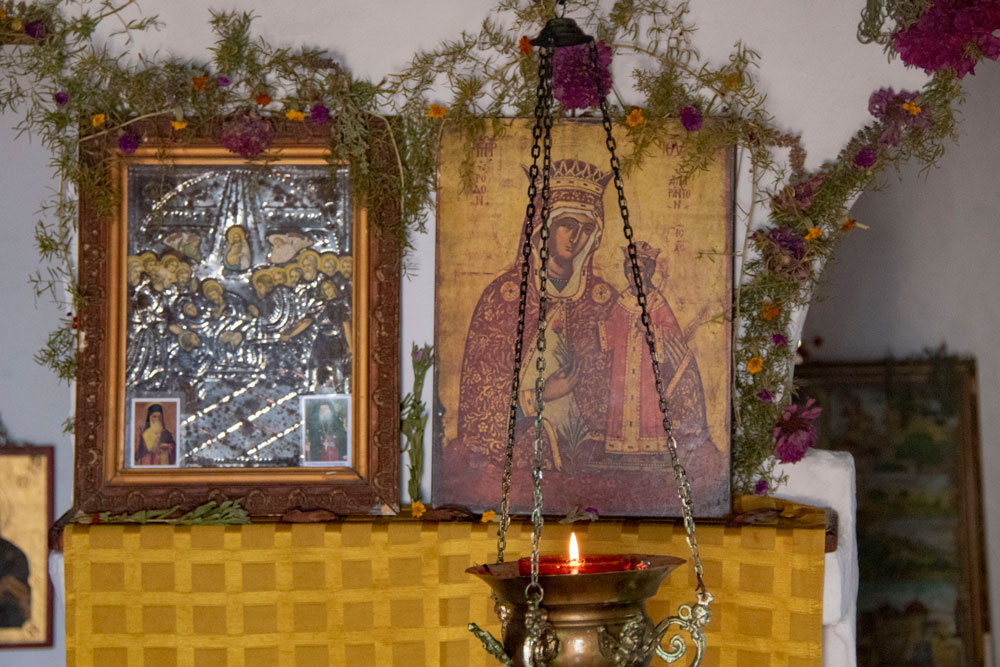
St. Antonios, Kalogeratsi
Photos: Anna Varsamou
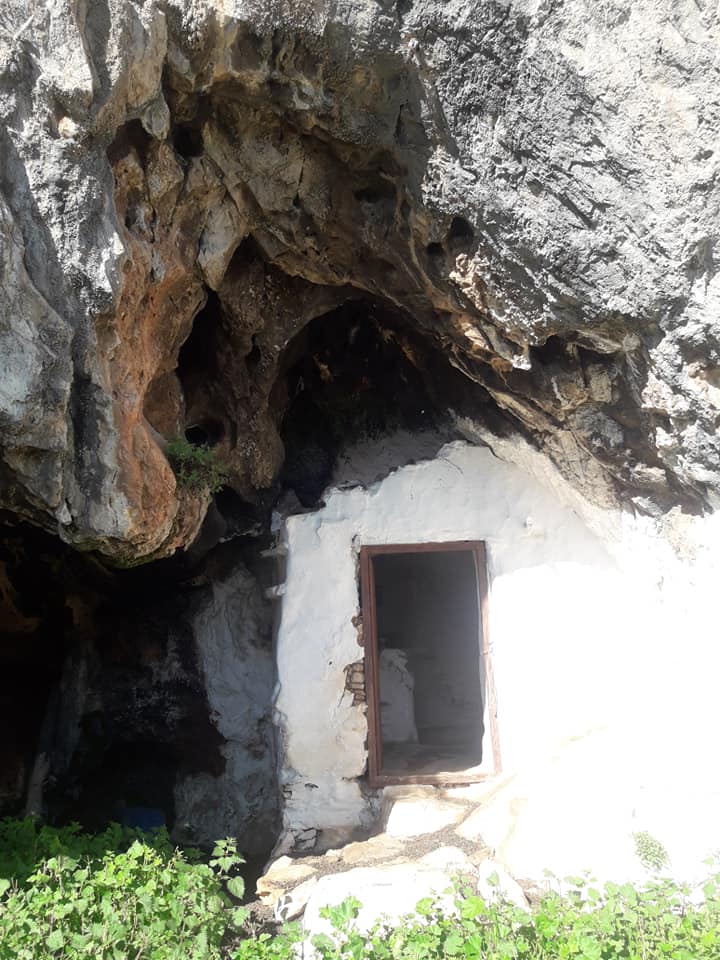
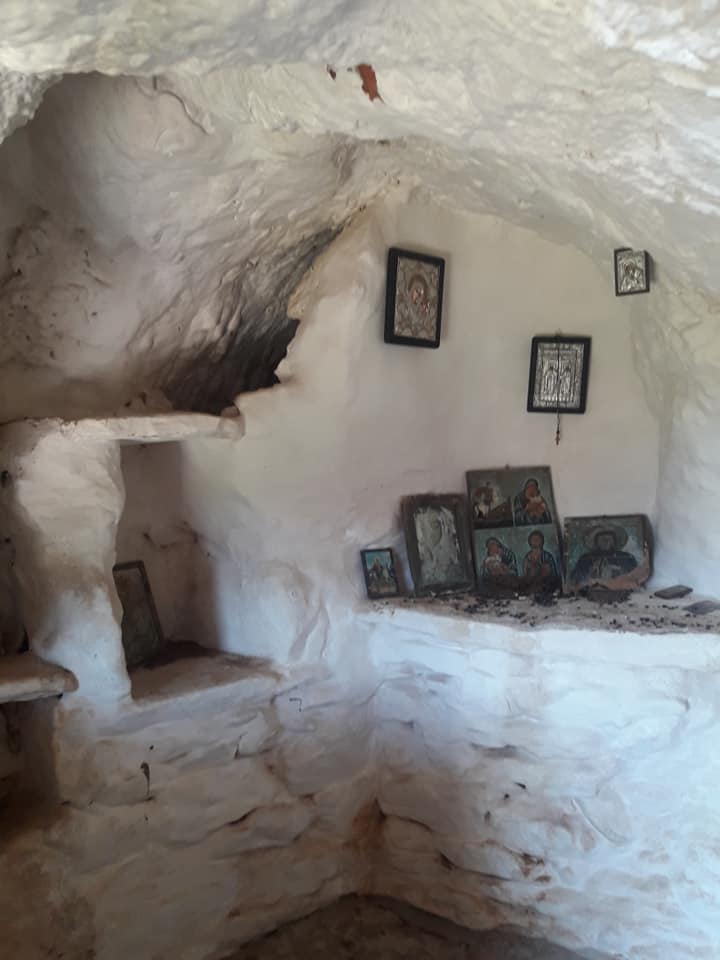
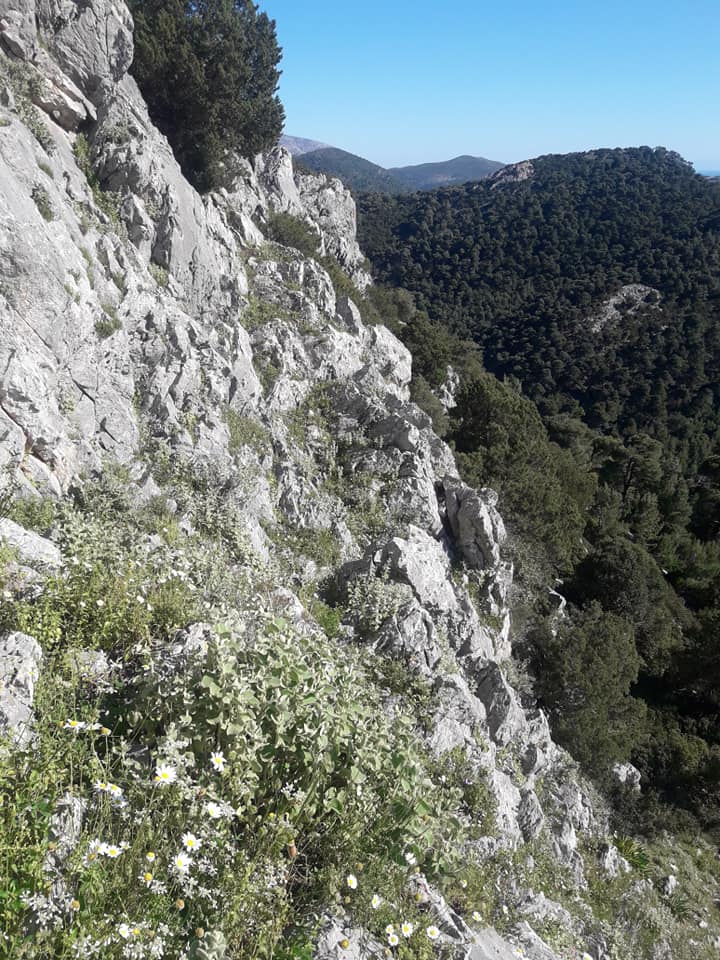
Panagia Meglou
Photos: Anna Varsamou


St. Dimitrios, Ferekampos



Zoodoxou Pigis, Pouria
St. Ioannnis, Klouthros
St. Paraskeui
St. Nikolaos, Pouria
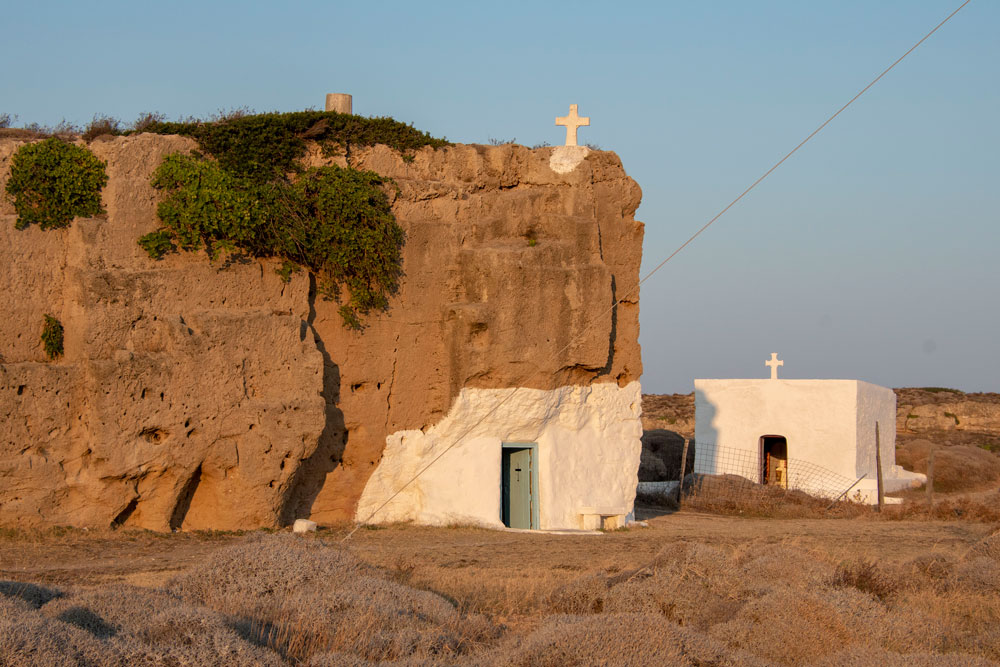
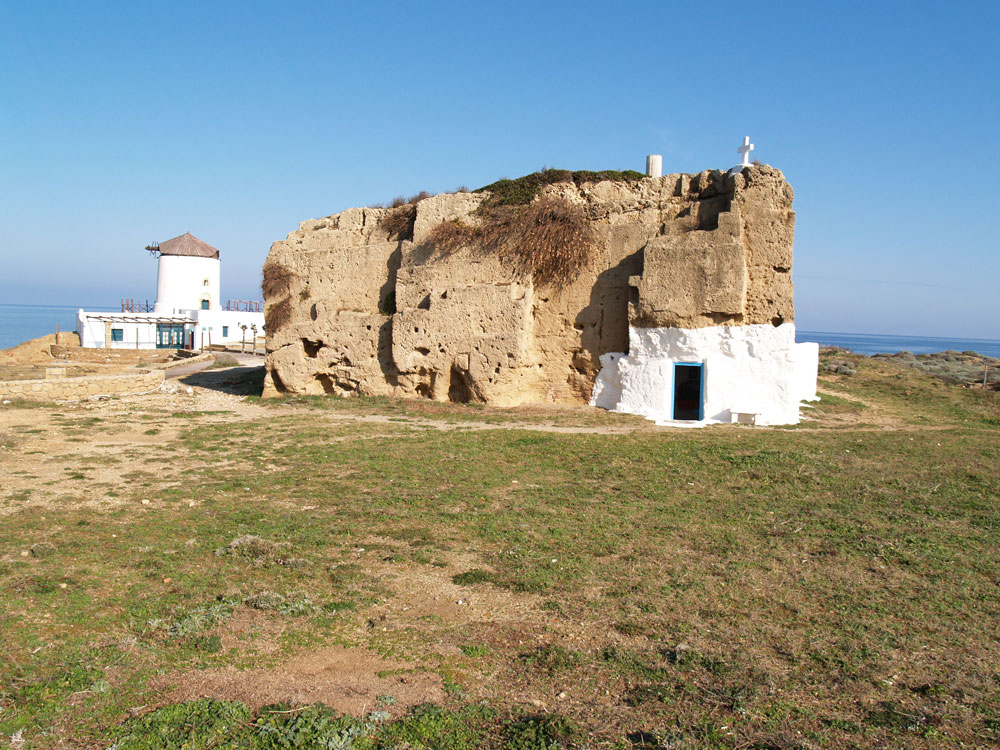
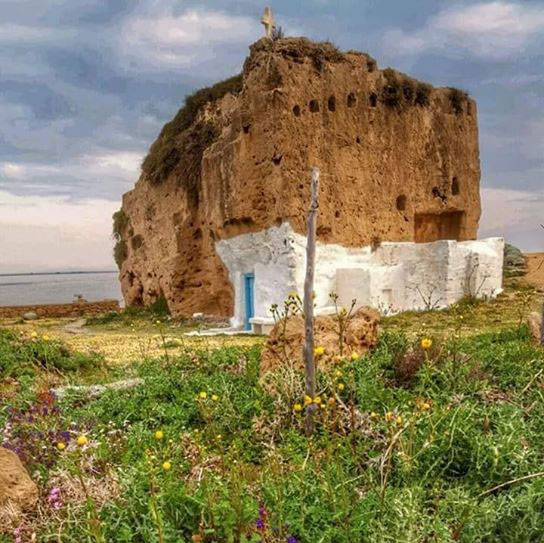
St. Panteleimonas, Marmaro
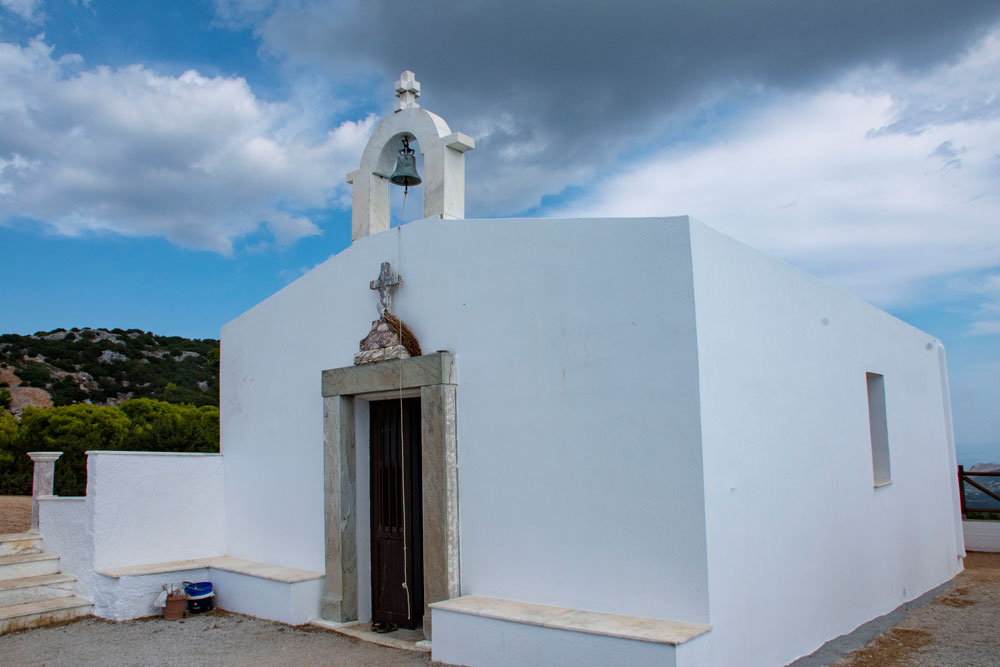
St. Triada, Chora
St Athanasios, to Renes
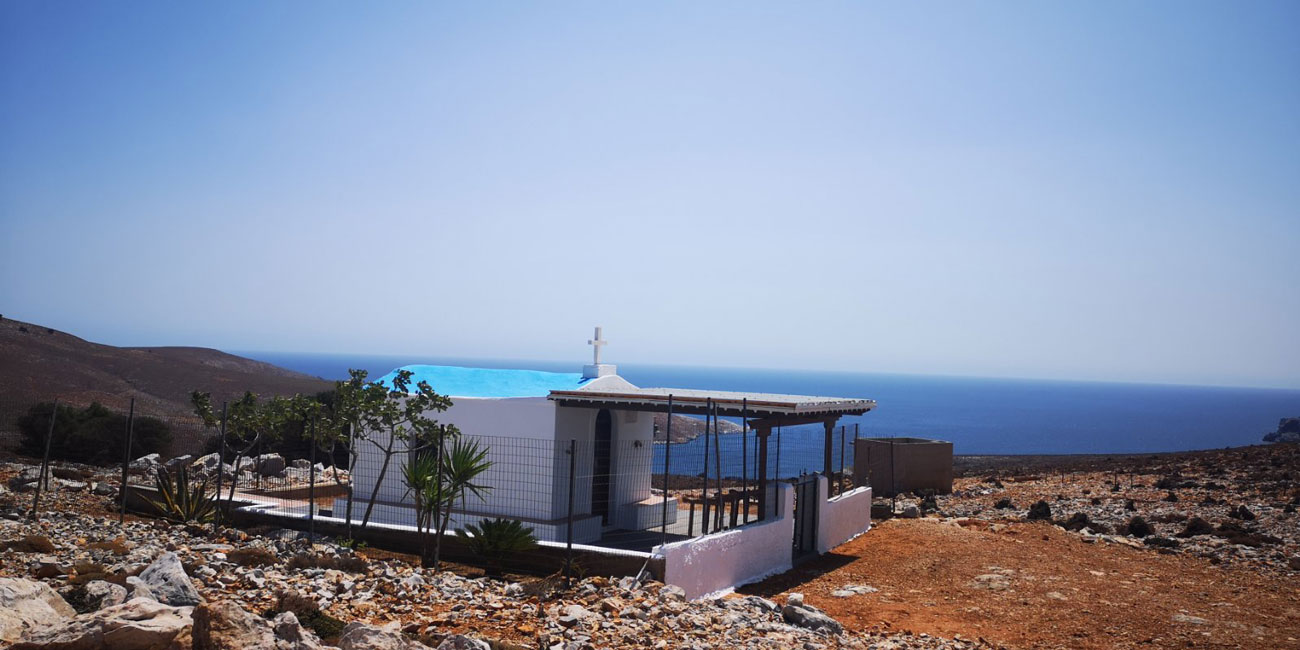
St Fokas the unique
This post is also available in:
 Ελληνικα